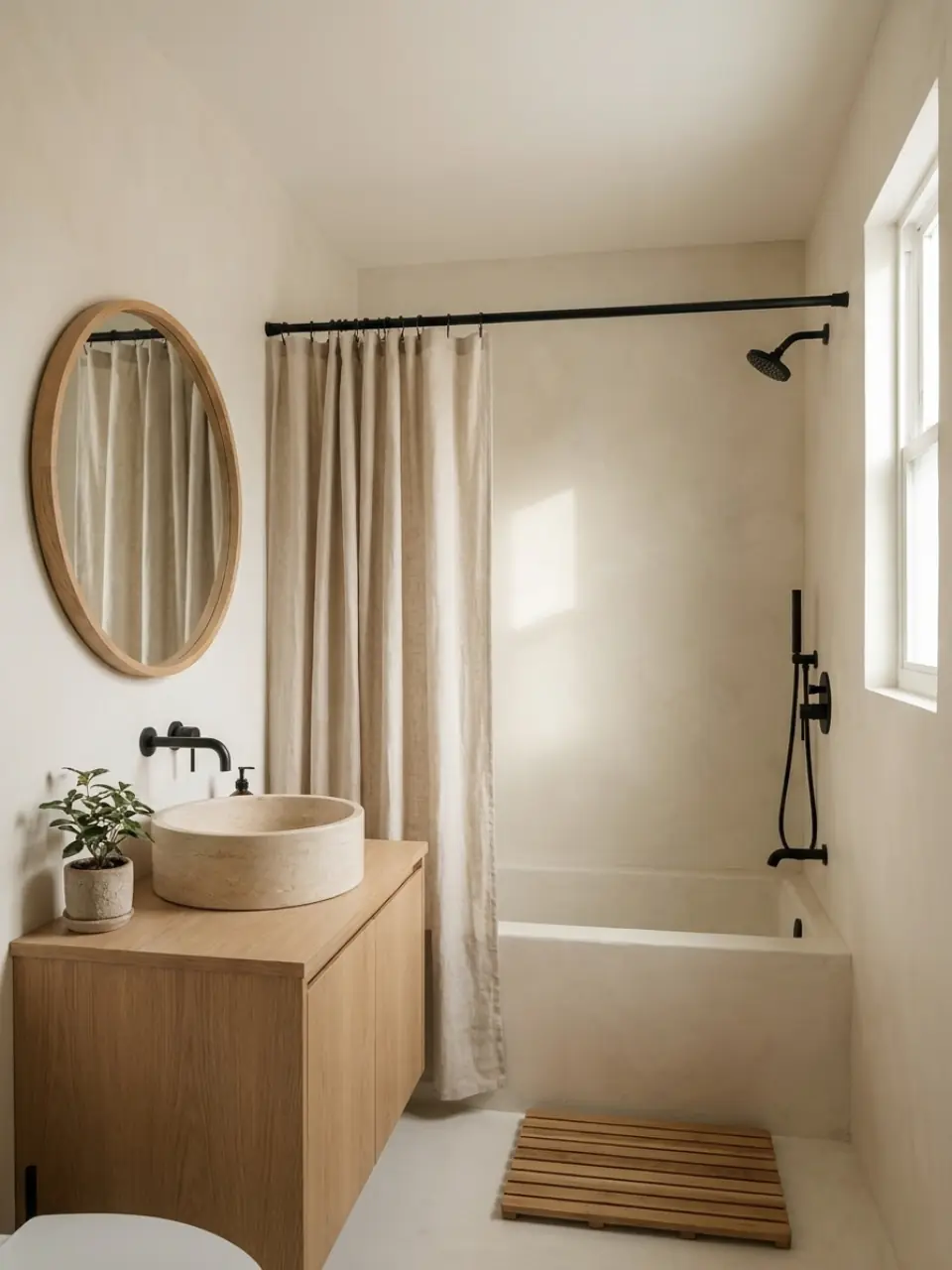
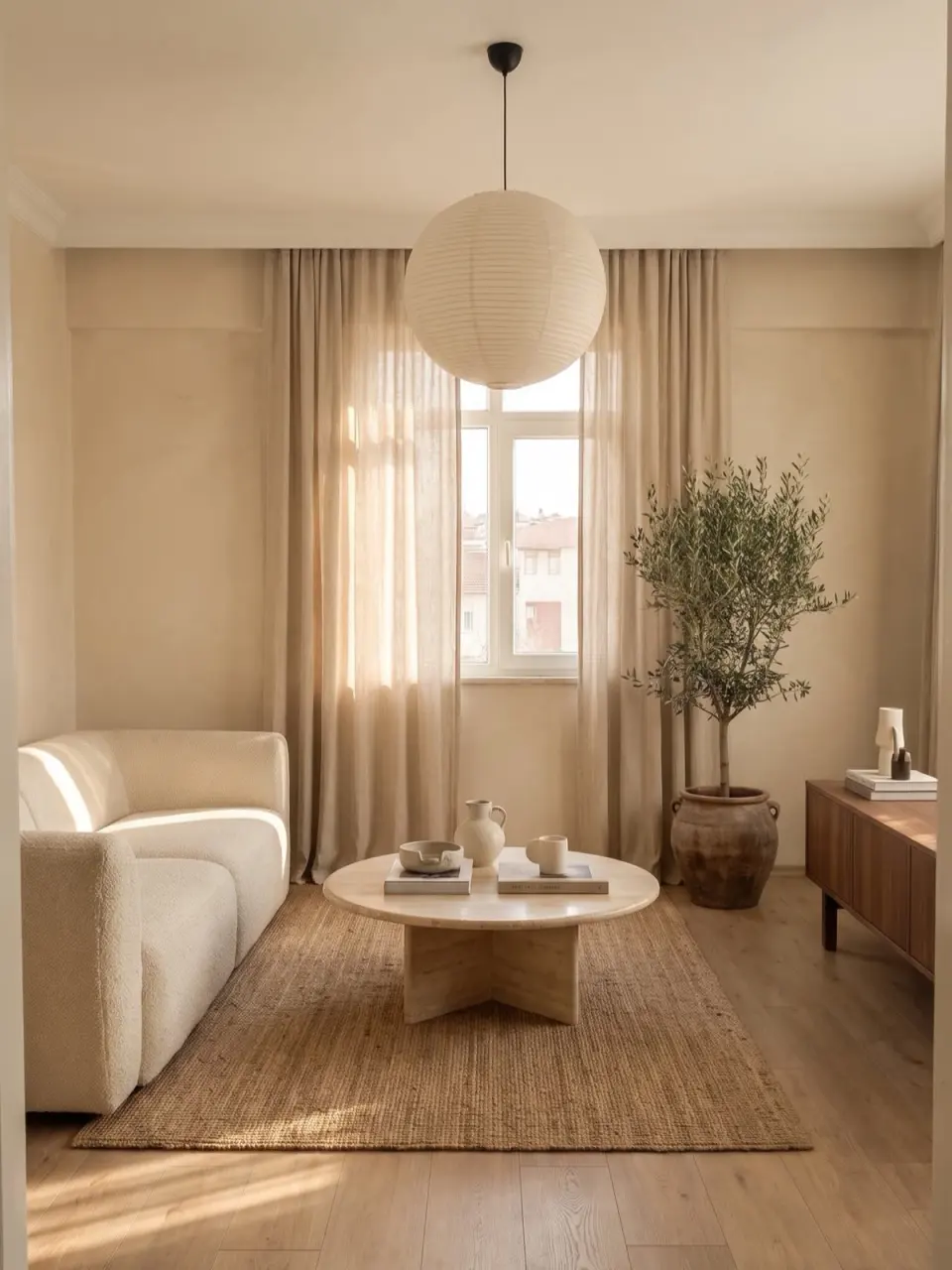
Small bedroom ideas that make the most of every metre
A small bedroom does not need clever tricks so much as a few good decisions made in the right order. Start with where the bed goes, then storage, then light and colour. Get those three right and the room will feel calm, even if it is only just bigger than the bed.
Start with the bed
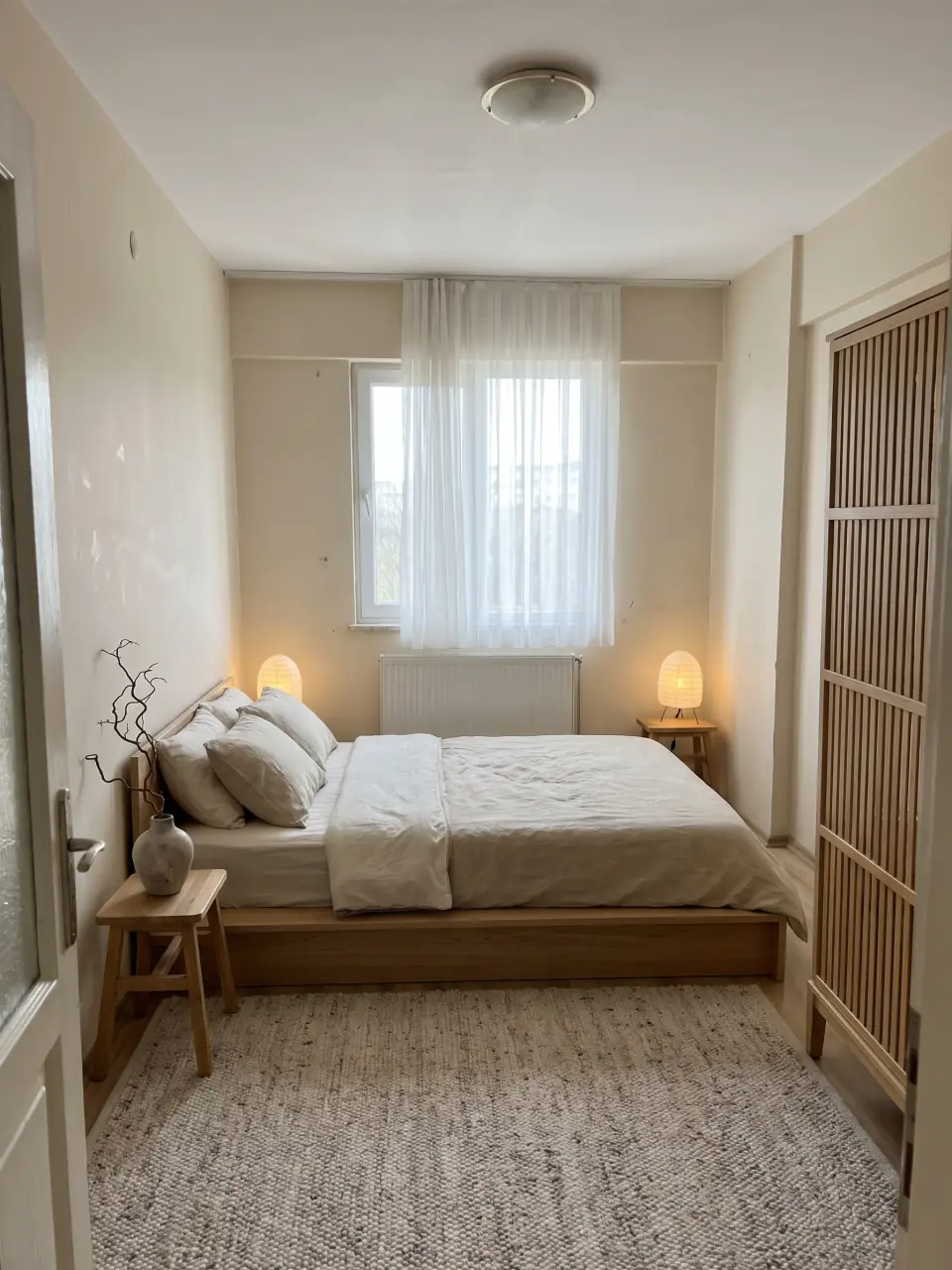
The bed is the largest thing in the room, so its position decides everything else. Measure the room first and mark the door swing, the window and any radiator or socket you cannot move.
- Centred on the main wall works when the room is wide enough to leave a walkway on both sides. It is the most restful layout and gives two people their own bedside.
- Pushed into a corner opens up a full strip of floor along one side. It suits a single sleeper, a guest room or a child's room, and it can make a narrow room usable.
- Under the window is fine if nothing else fits, but keep the headboard low so it does not block the light, and use a lined curtain or blind to cut draughts at night.
Try to keep a clear path from the door to the bed and to the wardrobe. If you have to turn sideways to get past a corner of the bed, the room will always feel tight however you decorate.
Choose furniture at the right scale
In a small room, scale matters more than style. A bulky sleigh bed or a deep upholstered frame can take up more floor than the mattress needs. Look for a frame that is barely larger than the mattress, with a slim or low headboard.
- Raised legs let you see floor under the bed and the bedside tables, which makes the room read as larger.
- Bedside tables can be narrow, or replaced with a small stool, a wall shelf or a single floating drawer.
- One taller piece usually works better than several low ones. A tall, narrow chest of drawers uses wall height instead of floor area.
Leave out the bedroom chair unless you will really sit in it. It usually ends up holding clothes.
Build storage into the room, not around it
Storage is what keeps a small bedroom calm. The aim is to have a closed home for most things, so surfaces stay clear.
- Use the space under the bed. A frame with drawers or a lift-up base holds bedding, out-of-season clothes and shoes.
- Go up the walls. Shelves above the door or a high run of cupboards over the bed hold things you rarely need.
- Choose sliding or flush wardrobe doors where a swinging door would clash with the bed.
- Keep wardrobe fronts plain and close to the wall colour, so they sit back instead of filling your view.
Open shelving looks good in photos, but it only stays tidy if you keep very little on it. In a small room, closed storage is usually kinder to the eye.
Plan the light in layers
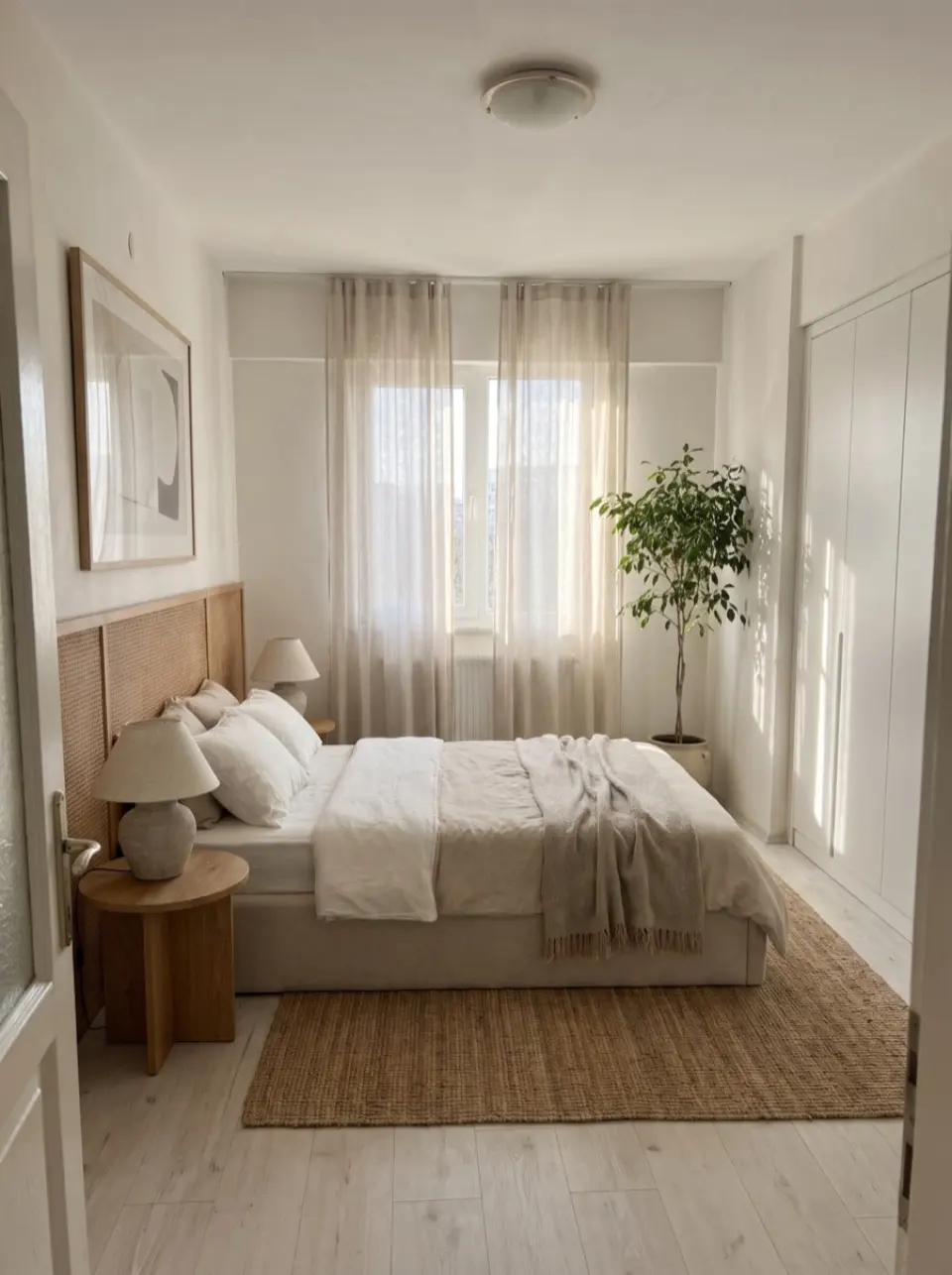
Natural light is the biggest help a small bedroom can have, so do not block it. Keep the window clear of furniture, and hang curtains slightly wider than the frame so they pull right back in the day. Sheer linen or a light blind lets light in while keeping some privacy.
At night, a single ceiling light makes a small room feel flat and boxed in. Add light at different heights instead:
- Wall-mounted reading lamps or plug-in sconces leave the bedside table clear.
- A small lamp on a chest of drawers adds a warm pool of light at mid height.
- Warm bulbs make the room feel softer and more restful than cool white ones.
Use colour to soften the edges
Pale colours are the usual advice for small rooms, and they do help a room with little daylight feel brighter. Warm whites, soft greige, pale sage and light oatmeal are easy to live with and work with most wood tones.
Dark colours can also work well. A deep green, charcoal or clay on every wall blurs the corners, and a small bedroom can feel cosy and enveloping rather than cramped. What tends to fail is the middle ground: one dark wall in an otherwise white room, which can make the room feel shorter.
Whichever way you go, keep the palette short. Two or three colours, repeated across walls, bedding and curtains, look calmer than many.
Place mirrors with purpose
A mirror does the most work when it reflects light or a view. Put a large mirror on a wall that faces or sits beside the window, so it bounces daylight back into the room. A tall mirror leaning against the wall or fixed to a wardrobe door also gives you a full-length mirror without using extra space.
Avoid placing a mirror where it reflects clutter or the back of a door. It will double the mess rather than the space.
Common small bedroom mistakes
- Buying furniture before measuring the walkways around the bed.
- Choosing a bed frame much wider and longer than the mattress.
- Lighting the room with only one overhead fitting.
- Filling every wall with frames and shelves.
- Using a rug that is too small, so it floats in the middle of the floor. A rug that runs under the lower two-thirds of the bed looks more settled.
How each style works in a small bedroom
Every style can suit a small room if you keep its key pieces and leave out the extras.
Japandi
Japandi bedrooms suit small rooms naturally. A low oak platform bed, washed linen, paper lamps and bare walls keep the room quiet. Sliding wardrobe fronts in plain oak keep clothes out of sight.
Scandinavian
A Scandinavian bedroom keeps things light with a pale wood or white bed frame, white cotton bedding and swing-arm wall lamps that clear the bedside table. White or pale wood storage stops the room feeling heavy.
Mid-century modern
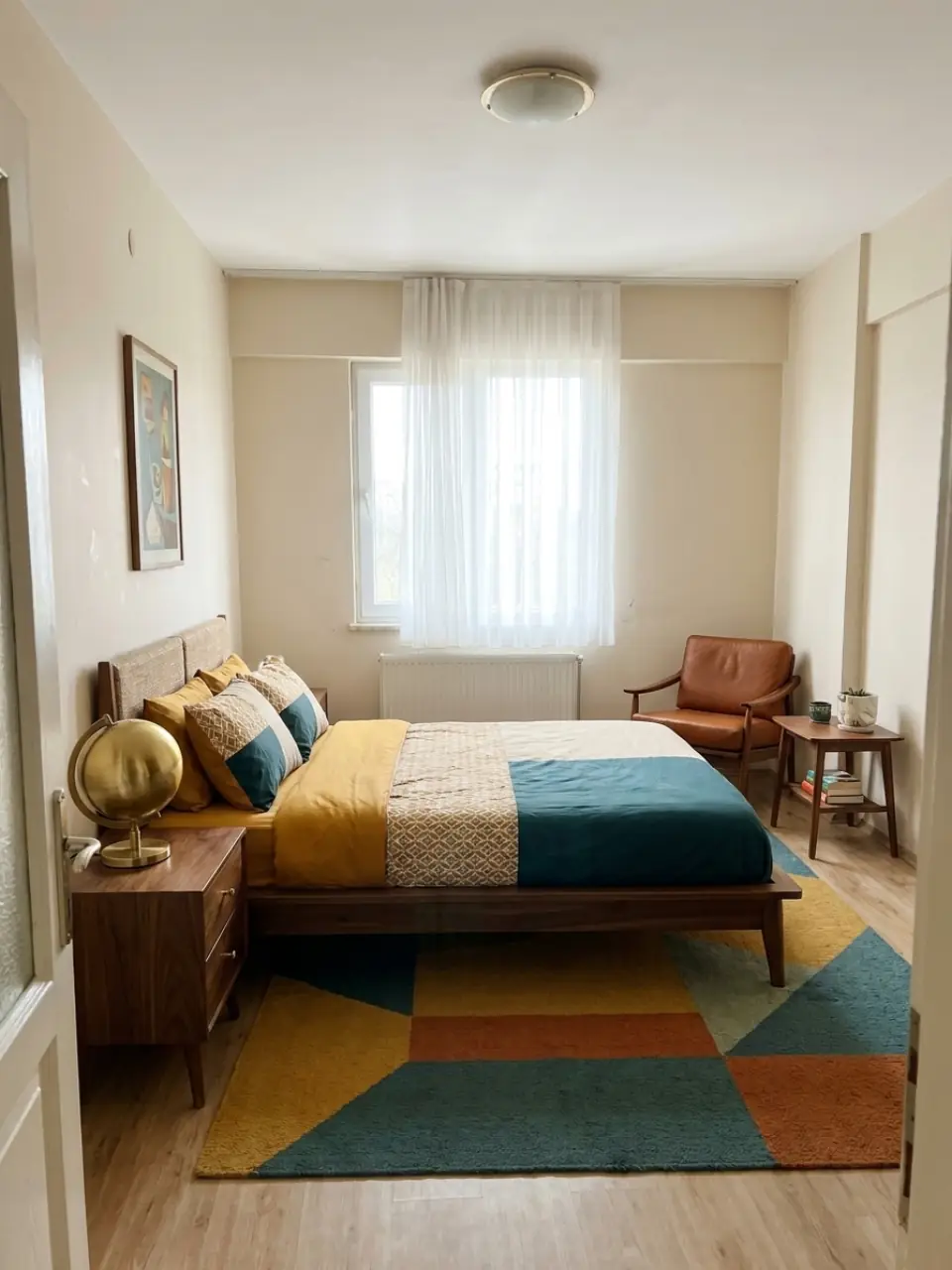
A mid-century bedroom relies on low furniture, which helps in a small space. Choose a walnut bed on tapered legs and slim floating nightstands, and let mustard or rust bedding bring the colour.
Industrial
An industrial bedroom can feel cosy when it is small. A slim black iron bed, charcoal linen and caged wall lamps keep the floor clear. Paint one dark plaster finish across the walls rather than adding many metal props.
Boho
A boho bedroom needs restraint in a small room. Keep the rattan headboard and one block-print quilt, put plants on a high shelf, and limit the cushions so the bed stays usable.
Coastal
A coastal bedroom is bright by design. White linen, a whitewashed bed, a jute rug and sheer curtains make a small room feel airy, with blue kept to the quilt and lamps.
Luxury
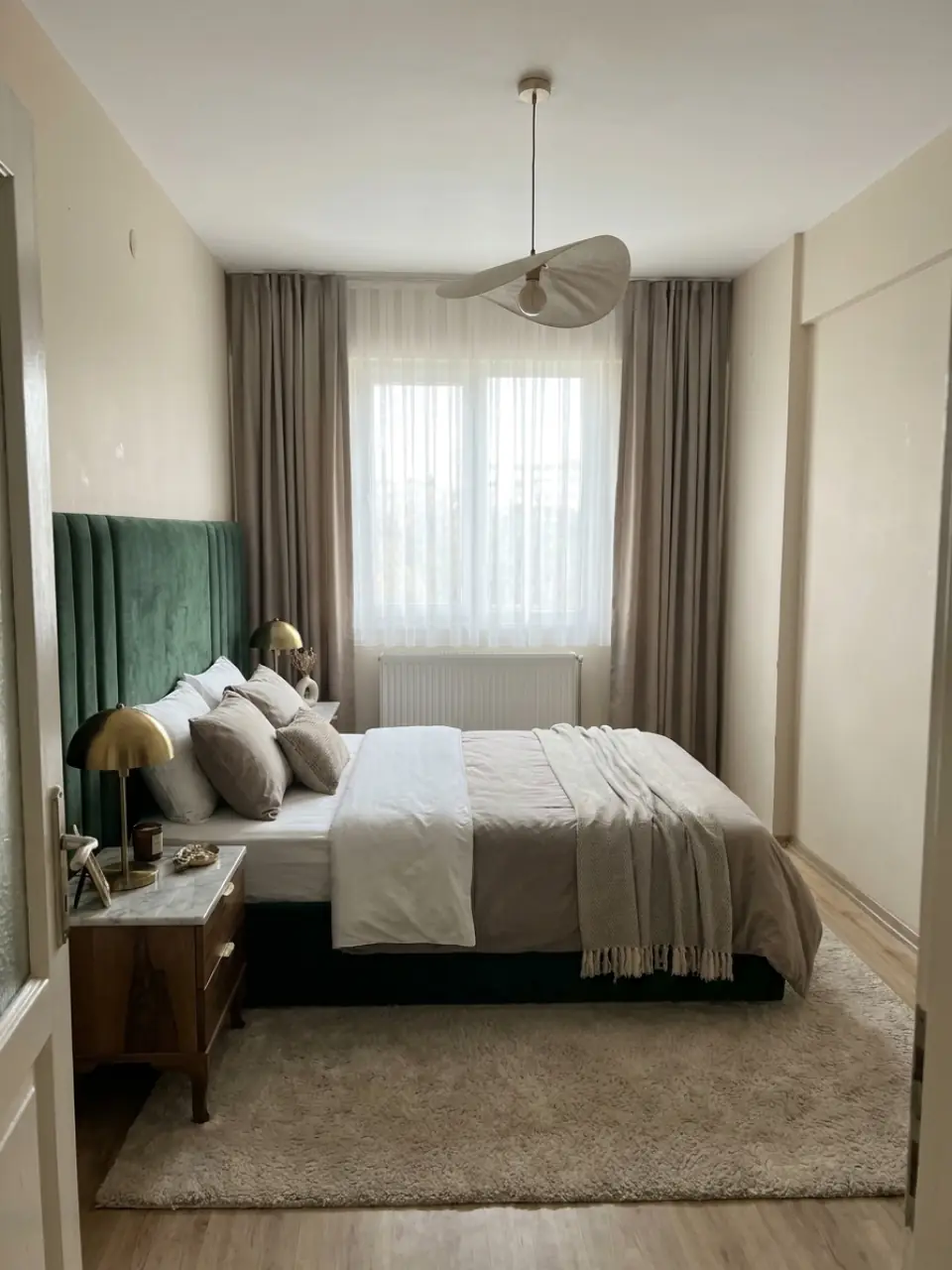
A luxury bedroom can work in a small space if you commit to fewer, better pieces. A tall velvet headboard draws the eye up, and curtains hung just below the ceiling make the walls feel taller. Keep the bedside styling to a lamp and a small tray.
See it in your own room
If you are unsure which direction suits your space, take a photo of your bedroom and try a few styles on it with Homiva. Seeing your own walls and window in each look makes the choice much easier.